Power Pilot App
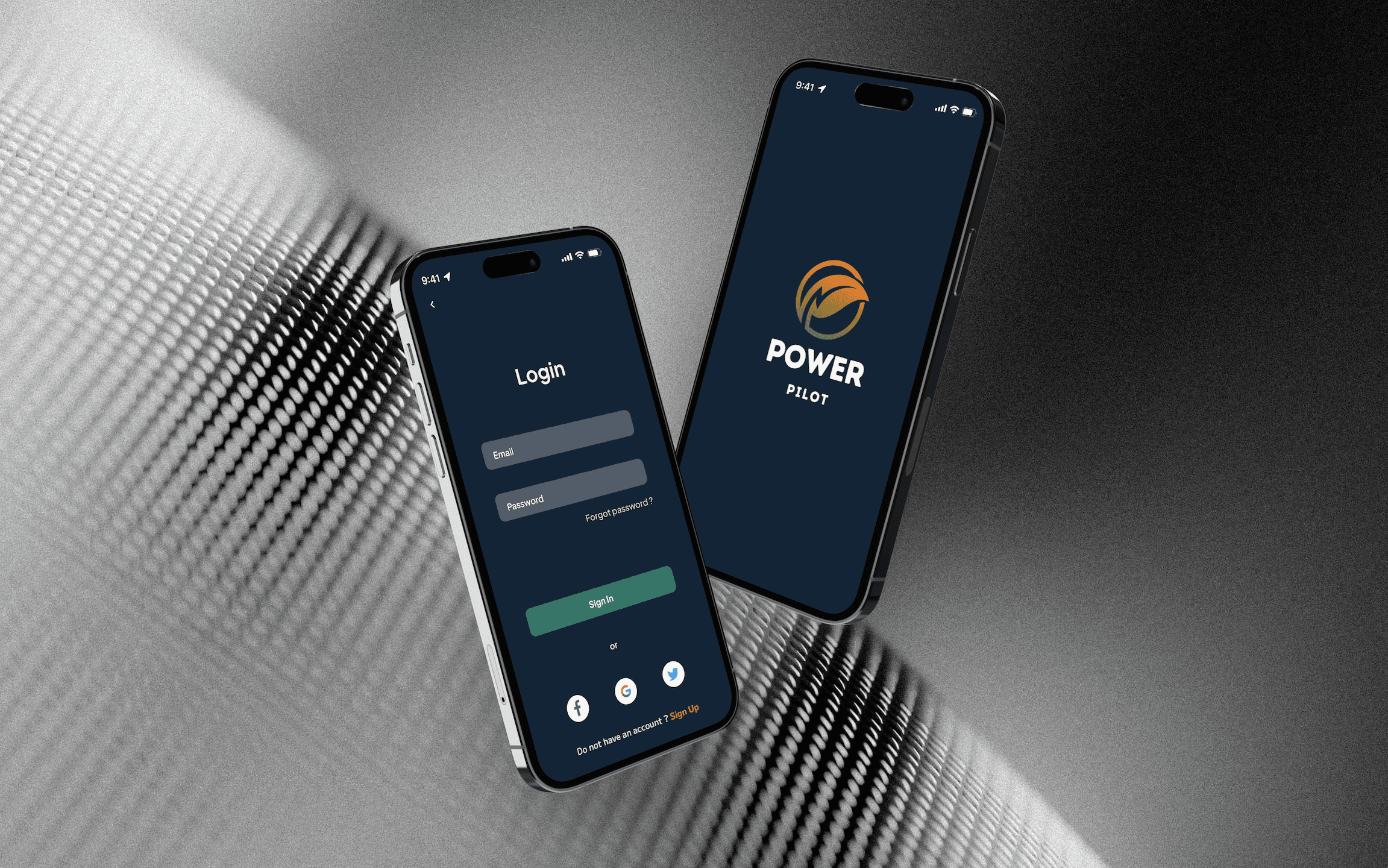
The Power Pilot application is an AI-infused mobile solution designed to enhance the efficiency and sustainability of Sri Lanka's SMEs in the sustainable energy sector. The app provides comprehensive energy monitoring, AI-driven advisory services, and a community platform to foster innovation and collaboration.
The Challenge
SMEs in the sustainable energy sector face challenges in optimizing energy generation and usage. They struggle with real-time monitoring, efficient management of resources, and accessing expert advice. Additionally, there's a lack of platforms for knowledge sharing and community building within the industry.
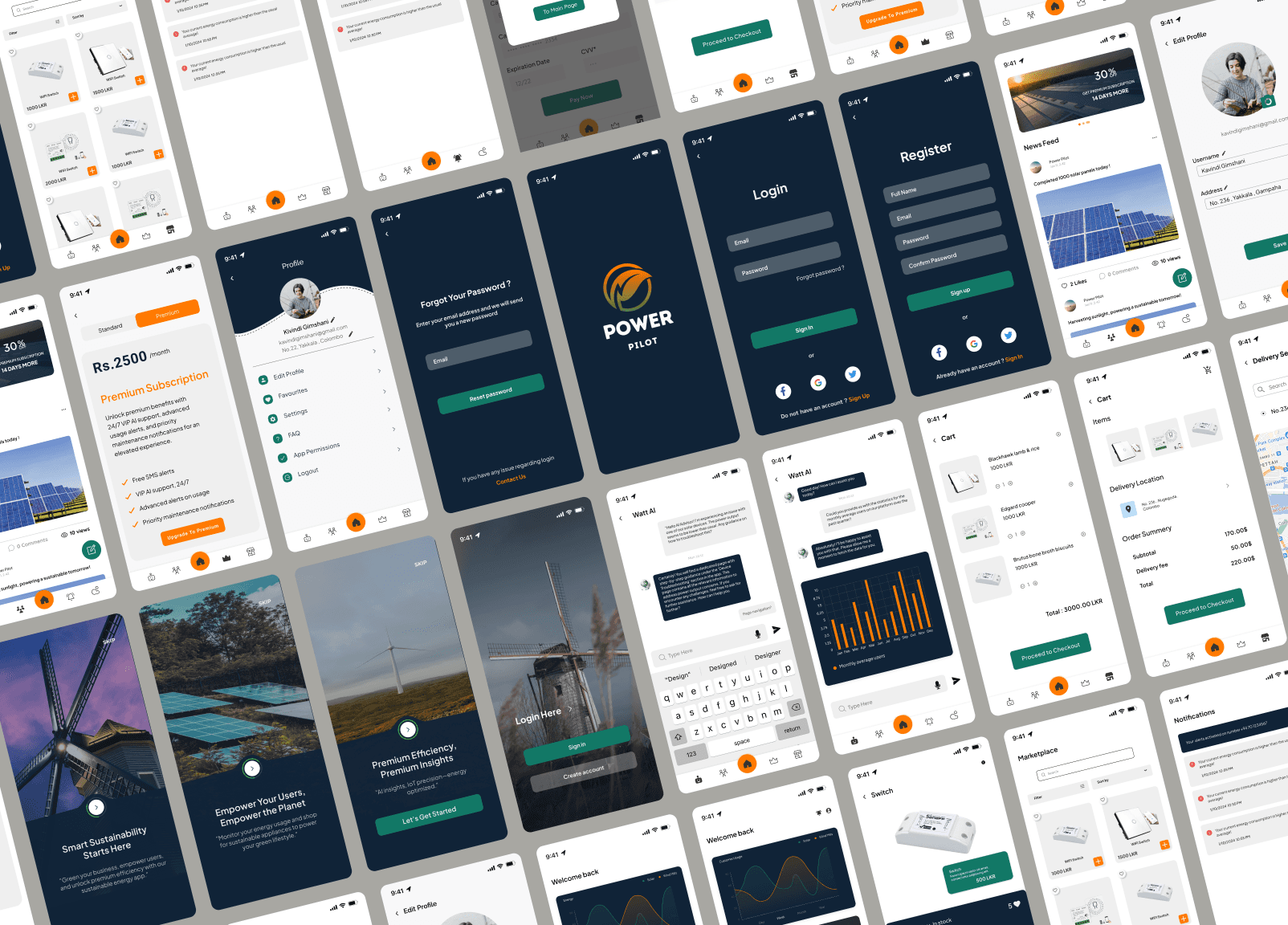
The Power Pilot application addresses these challenges by offering a user-friendly platform that integrates AI technology and real-time data monitoring. It provides a holistic view of energy generation from solar and wind sources, with detailed graphs displaying daily, weekly, monthly, and yearly metrics. The AI advisor offers tailored advice and information, helping companies optimize their energy management. The community feature allows users to share insights and collaborate, while the weather page provides crucial data on wind speed and rain chances. The app also includes a marketplace for energy users and subscription options, enhancing overall functionality and user engagement.
Process
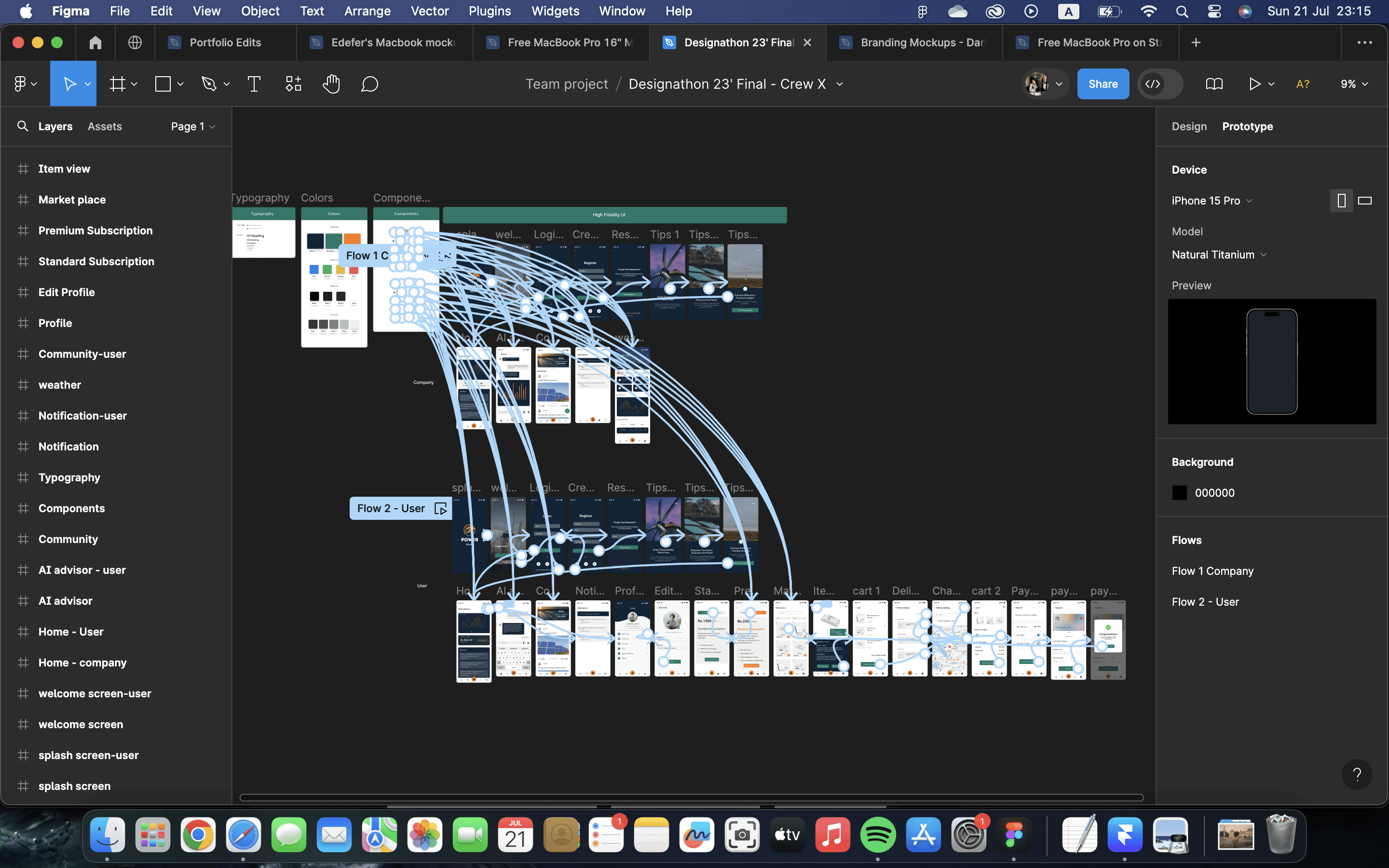
Our Design Process,
Define: We began by identifying the core needs of SMEs in the sustainable energy sector. The target audience includes companies generating sustainable energy through solar and wind sources, as well as users consuming this energy. The goal was to create a solution that boosts efficiency, fosters innovation, and promotes sustainability.
Research: In-depth research was conducted to understand user needs and industry challenges. We analyzed existing solutions, conducted user interviews, and studied market trends. This research phase provided valuable insights into the pain points and expectations of the target audience.
Low fidelity prototyping: We started with sketching paper wireframes, followed by creating digital wireframes in Figma. These wireframes focused on the layout and flow of the app, ensuring intuitive navigation and accessibility.
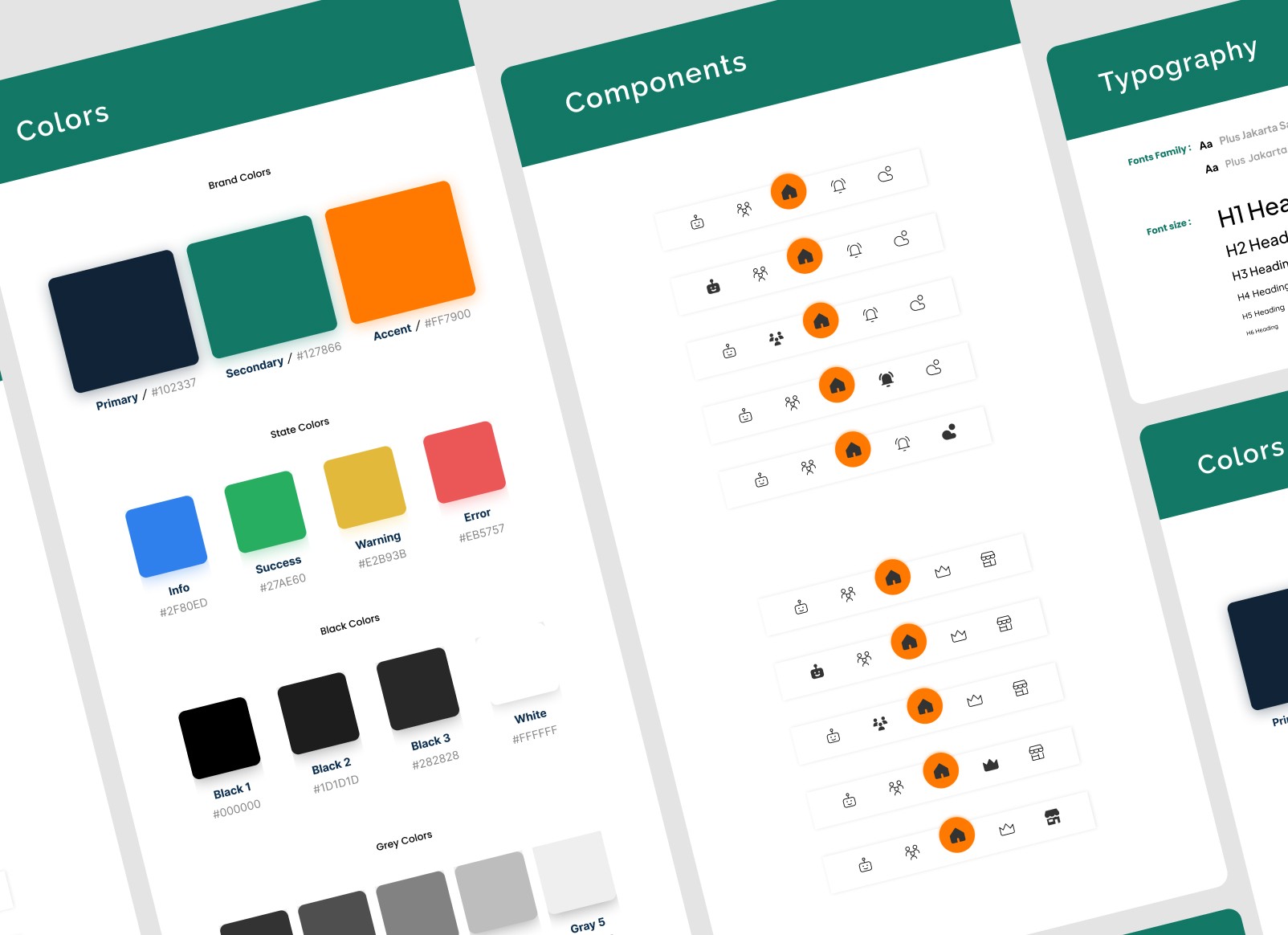
The high-fidelity prototyping: The high-fidelity prototypes were designed in Figma, incorporating visual elements and detailed interactions. The prototypes were tested to refine usability and functionality, ensuring a seamless user experience.
Testing: Usability testing was conducted to gather feedback and identify areas for improvement. Iterative testing and refinement ensured that the final design met user needs and expectations.
Key Takeaways
AI Integration: Leveraging AI technology can significantly enhance the functionality and value of the application.
User-Centered Design: Prioritizing user needs and pain points is crucial for creating effective solutions.
Community Engagement: Providing a platform for knowledge sharing and collaboration fosters innovation and industry growth.