Eco-Green Application
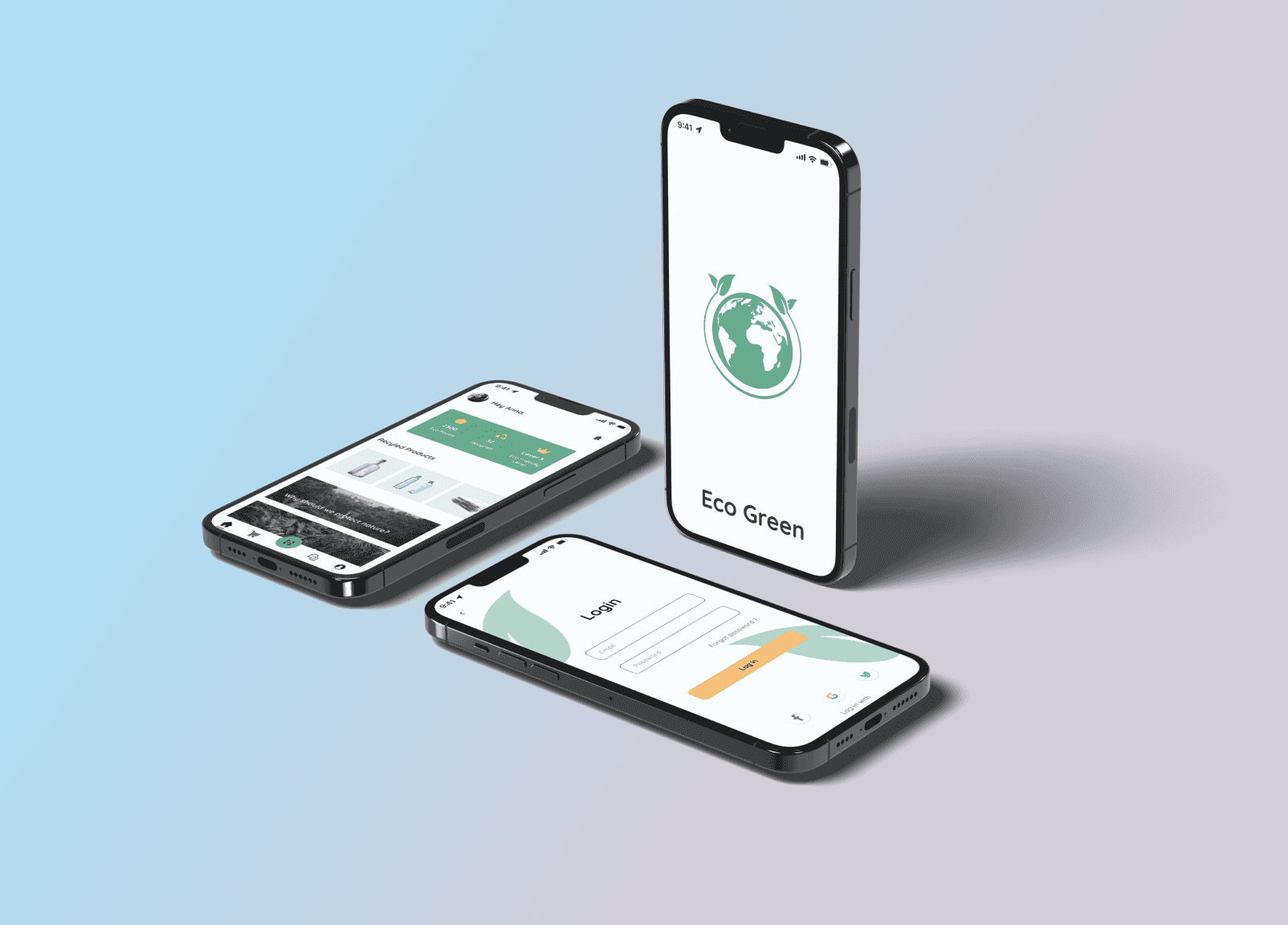
This eco-green social media app empowers users to adopt sustainable practices, reduce plastic waste, and support eco-conscious businesses. It features a plastic identification scanner for participation in a bidding system, a marketplace for recycled goods, and tools for connecting with like-minded individuals.
The Challenge
Our world faces a plastic pollution crisis and a lack of convenient avenues for individuals to contribute to sustainability efforts. Traditional recycling can be confusing, and finding eco-friendly products often requires extensive research. Additionally, people seeking to connect with others passionate about sustainability may lack accessible platforms.
This eco-green social media app provides a multifaceted solution to the issues of plastic pollution and unsustainable consumption habits. Its integrated plastic scanner simplifies the recycling process, allowing users to earn from their responsible disposal of plastic waste. The dedicated marketplace gives visibility to businesses utilizing recycled materials, streamlining the search for eco-friendly products. Finally, the social component of the app creates a community of like-minded individuals, fostering connections and driving collective action towards a more sustainable future.
Process
The design process for the Eco-Green Application was a collaborative effort, driven by the goal to create a user-friendly platform that addresses key environmental challenges. Our journey began with extensive research and analysis to understand the problem space and user needs.
Define: In the define phase, we focused on identifying the core issues related to plastic pollution and the barriers to sustainable living. We recognized that a lack of accessible information and resources was preventing individuals from making environmentally conscious decisions. By defining our target audience as environmentally aware individuals seeking to make a positive impact, we clarified the app's purpose: to simplify recycling, promote eco-friendly products, and foster a community around sustainability.
Research: Research played a pivotal role in shaping our approach. We conducted user journey mapping to visualize the steps our users would take within the app. This process helped us pinpoint potential pain points and opportunities for enhancement. We also reviewed competitive apps and platforms, identifying features that were successful and areas where they fell short.
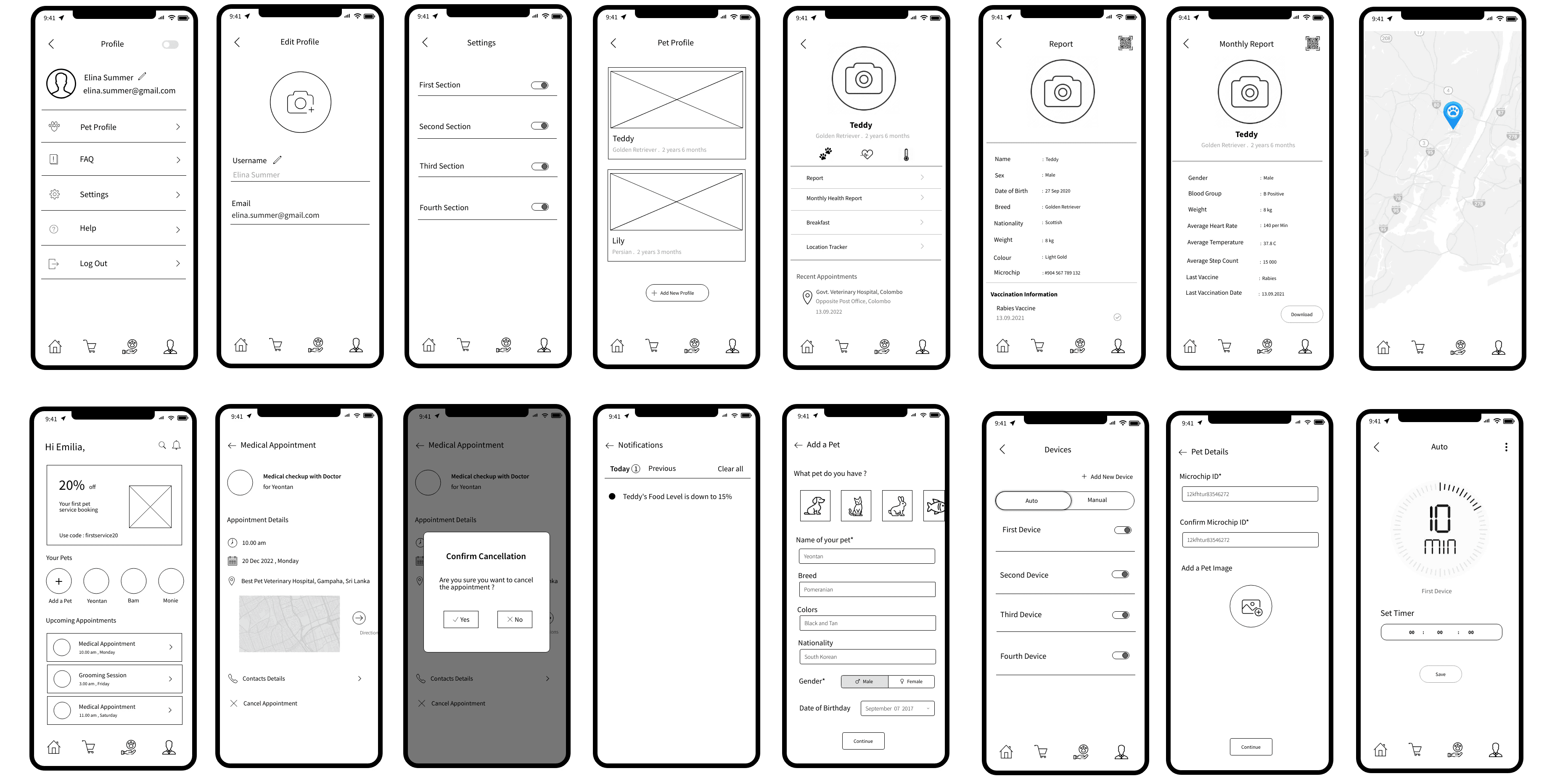
Low fidelity prototyping: With a clear understanding of our users, we moved on to wireframing. In this phase, we created both happy path and alternative path wireframes to ensure a comprehensive user experience. The wireframes outlined the app’s primary functions, including the login and registration process, the marketplace for recycled products, and the plastic type scanner feature. These initial sketches helped us visualize the flow of the app and allowed for early feedback and adjustments.
The wireframe flow detailed the sequence of interactions users would follow, ensuring a seamless experience from start to finish. This flow included steps such as scanning plastic items, trading on the platform, purchasing eco-friendly products, and engaging with the community. By mapping out these interactions, we were able to identify and address potential usability issues early in the design process.
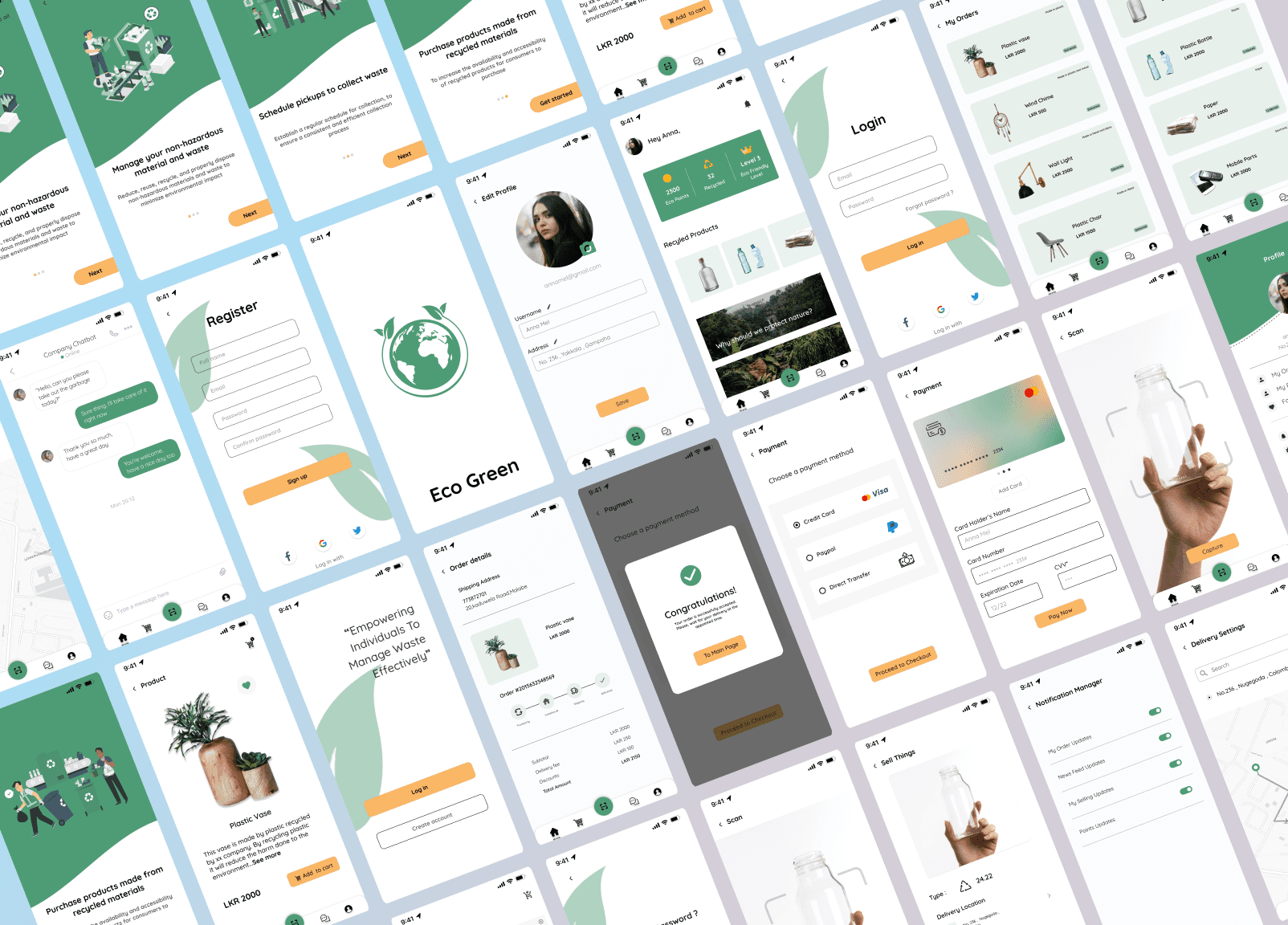
The high-fidelity prototyping: High-fidelity prototypes were then developed to bring our wireframes to life. These prototypes incorporated design elements that aligned with our vision of an engaging, user-friendly platform. We emphasized clean, modern aesthetics to create an inviting environment for users. Interactive elements were tested rigorously to ensure smooth navigation and functionality.
Testing: Finally, I conducted usability testing with the high-fidelity prototypes. This involved gathering feedback from potential users and stakeholders to identify any remaining issues and areas for improvement. Continuous iteration and collaboration with the Goliath Trucking team ensured that the final design met all objectives and provided a superior user experience.
Key Takeaways
Collaborative Effort: Designing the Eco-Green Application was a team effort that highlighted the importance of collaboration. Working together allowed us to pool our diverse skills and perspectives, resulting in a more robust and well-rounded product.
Integration of Social and Commercial Features: Combining a marketplace with social elements provided a holistic approach to sustainability. Users can not only find and purchase eco-friendly products but also connect with a community of like-minded individuals, amplifying the app’s impact.
User-Centered Design: Our focus on understanding and addressing user needs was key to the project’s success. By prioritizing user research and feedback, we were able to create an app that genuinely resonates with our target audience.